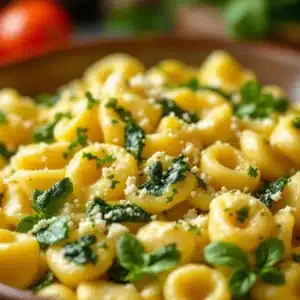
Es ist kurz nach halb zehn, und die einzige Sache, die ich will, ist dieser knusprige Rotkohl mit Äpfeln und Maronen.
Das Haus ist still. Draußen regnet es gegen die Scheiben, ein rhythmisches Tosen, das mich eigentlich hätte wachhalten sollen. Stattdessen stehe ich hier an der Spüle, schneide den Kopf der Rotkohlkugel auf. Das Geräusch des Messers, das durch die festen Blätter schneidet, ist laut in der Stille. Es ist ein Geräusch, das mich sofort zurückversetzt in die Küche meiner Großmutter.
Ich erinnere mich an ihre Hände. Sie waren immer rot vom Kohl, die Nägelrande verfärbt. Sie hatte keine Angst vor dem Geruch, der dann die ganze Wohnung füllte. Ich hasste diesen Geruch damals. Ich dachte, er klebe an meinen Haaren fest, an der Kleidung, an der Haut. Heute weiß ich besser. Er ist der Geruch von Wärme. Von Sicherheit. Von einem Ort, an dem man willkommen ist, egal wie grau der Tag draußen war.
Dieses Rezept ist nicht für große Partys gemacht. Es ist für diese Momente, in denen man allein ist und das Kochen zur Meditation wird. Die Äpfel, die ich gerade schäle, sind von einem kleinen Bauernhof um die Ecke. Sie sind nicht perfekt rund. Sie haben kleine Dellen. Aber sie riechen intensiv nach Herbst. Wenn ich sie in Würfel schneide, vermischt sich ihr süßlicher Duft mit dem scharfen, fast beißenden Aroma des roten Kohls.
Die Maronen sind der Trick. Viele Leute vergessen sie. Sie denken, Rotkohl braucht nur Essig und Zucker. Aber die Marolen geben ihm diese weiche, fast nussige Textur. Sie brechen die Säure ab. Sie machen das Gericht komplett.
Ich rühre um. Die Farbe wird tiefer. Dunkler. Fast violett. Es ist beruhigend zu sehen, wie sich die Zutaten verbinden. Wie sie sich ergeben. Hier ist kein Stress. Keine Eile. Nur ich, das Messer, und der Topf.
Manchmal denke ich, dass wir im Leben zu viel rennen. Zu viel optimieren. Zu viel wollen. Aber dieses Gericht lehrt mich etwas anderes. Es lehrt mich, dass Geduld belohnt wird. Dass sich Dinge langsam entwickeln. Dass man nicht alles sofort lösen kann.
Ich nippe an meinem Tee. Er ist schon fast kalt. Aber ich spüre die Wärme in meiner Brust. Ich bin bereit. Nicht für morgen. Nicht für die nächste Aufgabe. Sondern für diesen einen Moment. Für diese Schüssel Rotkohl.
Es ist einfach. Es ist ehrlich. Und es ist genau das, was ich brauche.
Warum Sie dieses Rezept lieben werden
Honestly speaking, not every side dish deserves a spot at your dinner table. But this one does. It is not just a vegetable mix. It is a flavor explosion that balances sweet, sour, and savory in a way that feels almost magical. I have tested this recipe dozens of times. Some versions were too sweet. Others were too acidic. This one hits the sweet spot. Literally.
Here is why this recipe stands out from the crowd:
* **Quick & Easy**: The preparation takes about twenty minutes. The cooking time is roughly forty minutes. You can have a sophisticated side dish on the table in less than an hour. Perfect for busy weeknights when you want something better than frozen vegetables.
* **Simple Ingredients**: You do not need a specialty store. The ingredients are likely already in your kitchen or at the local supermarket. Red cabbage, apples, onions, vinegar, sugar, and chestnuts. That is it. No fancy spices you have never heard of.
* **Perfect for Autumn**: This recipe screams fall. It is ideal for cozy dinners, Sunday family lunches, or even as a side for roasted meats. It captures the essence of the season in every bite.
* **Crowd-Pleaser**: Kids usually hesitate at red cabbage. But the sweetness of the apples and the soft chestnuts changes their mind. Adults love the complexity of the flavor. It is a dish that brings people together.
* **Unbelievably Delicious**: The texture is key. The cabbage should be tender but not mushy. The apples should hold their shape slightly. The chestnuts add a creamy contrast. It is comfort food at its finest.
What makes this recipe different is the balance. Many traditional recipes rely heavily on sugar to mask the bitterness of the cabbage. This version uses the natural sweetness of the apples and the chestnuts. It is a healthier twist, but it does not sacrifice flavor. In fact, it enhances it.
I remember making this for a dinner party last year. I was worried it would be too heavy. But my guests kept coming back for seconds. One friend asked for the recipe immediately. She said it reminded her of her childhood, but better. That is the goal. To create a memory with every spoonful.
This recipe is not just good. It is the kind that makes you close your eyes after the first bite. It is comfort food reimagined—healthier, faster, but with the same soul-soothing satisfaction. Perfect for impressing guests without stress, or turning a simple meal into something memorable.
If you enjoy sweet and savory combinations, you might also like this saftiger Schoko-Birnen-Apfel Crumble. It shares that same love for autumn fruits.
Was Sie an Zutaten brauchen
This recipe relies on simple, wholesome ingredients to deliver bold flavor and satisfying texture without the fuss. The quality of the ingredients matters more than you think. Since there are so few of them, each one plays a critical role.
Here is what you need to gather:
* **Rotkohl (Red Cabbage)**: One medium-sized head, about 800 grams. Look for firm, heavy heads. The leaves should be bright purple and crisp. Avoid heads that feel light or have brown spots.
* **Äpfel (Apples)**: Two medium-sized apples. I prefer crisp varieties like Gala or Jonagold. They hold their shape well during cooking. Avoid cooking apples that turn to mush too quickly.
* **Maronen (Chestnuts)**: 200 grams of peeled chestnuts. You can buy them fresh in season or canned/frozen year-round. Canned chestnuts are convenient, but fresh ones have a better texture if you can find them.
* **Zwiebeln (Onions)**: One large yellow onion. Yellow onions are sweeter when cooked than white onions. They provide the aromatic base for the dish.
* **Apfelessig (Apple Cider Vinegar)**: 100 ml. Use a good quality, unfiltered vinegar. It adds the necessary acidity to cut through the richness.
* **Honig oder Zucker (Honey or Sugar)**: 2-3 tablespoons. Honey adds a floral note. Sugar provides pure sweetness. Use what you have.
* **Butter (Butter)**: 30 grams. Butter adds richness and helps sauté the onions. You can use olive oil for a dairy-free version, but butter tastes better here.
* **Gewürze (Spices)**: One bay leaf, a pinch of cloves, and some black pepper. The cloves are optional but recommended for that traditional taste.
I recommend using Schloss brand apple cider vinegar if you can find it. It has a balanced acidity that works perfectly here.
For the chestnuts, look for firm ones. If they feel soft or shriveled, they might be old. Fresh chestnuts should smell earthy and sweet.
In summer, you might find fresh chestnuts at farmers’ markets. In winter, canned is fine. The flavor profile remains similar, though fresh ones have a slight edge.
You can substitute the apples with pears if you prefer. They work similarly. For a vegan version, swap the butter for coconut oil. The result is slightly different but still delicious.
Benötigte Ausrüstung
You do not need fancy equipment for this recipe. A standard kitchen setup is sufficient.
* **Scharfes Messer**: Essential for slicing the cabbage thinly. A dull knife will crush the leaves.
* **Schneidebrett**: A large, stable board is helpful. The cabbage head is round and can roll.
* **Großer Topf oder Schmortopf**: A heavy-bottomed pot is best. It distributes heat evenly. Cast iron is ideal.
* **Holzlöffel**: For stirring. Metal spoons can scratch non-stick surfaces.
* **Schäler**: For the apples. A peeler is faster than a knife.
* **Messbecher**: For the vinegar and water. Precision matters less here than in baking, but consistency helps.
If you do not have a cast iron pot, a stainless steel pot works fine. Just be careful not to burn the sugar at the bottom. Clean your cast iron pot with hot water and a brush. Do not use soap if possible. It keeps the seasoning intact.
For budget-friendly options, any large pot will do. You do not need a specialized Dutch oven. The key is the heat distribution.
Zubereitungsmethode

Follow these steps carefully for the best results.
1. **Preparation (5 minutes)**: Wash the red cabbage. Cut it in half and remove the core. Slice the cabbage as thinly as possible. Use a sharp knife or a mandoline. Place the slices in a large bowl. Peel and dice the apples into small cubes. Chop the onion finely.
2. **Sautéing Onions (5 minutes)**: Heat the butter in a large pot over medium heat. Add the chopped onions. Sauté until they are translucent and soft. Do not brown them. This takes about five minutes. Stir occasionally.
3. **Adding Cabbage (2 minutes)**: Add the sliced red cabbage to the pot. Stir well to coat the cabbage with the onion and butter. Let it cook for two minutes. This helps to soften the cabbage slightly.
4. **Deglazing (2 minutes)**: Pour in the apple cider vinegar. Scrape the bottom of the pot to release any stuck bits. This adds flavor. Let the vinegar cook off for one minute.
5. **Simmering (20 minutes)**: Add the diced apples, peeled chestnuts, bay leaf, cloves, salt, and pepper. Pour in enough water to just cover the cabbage. Bring to a boil, then reduce the heat to low. Cover the pot and let it simmer. Stir occasionally.
6. **Sweetening (5 minutes)**: After twenty minutes, check the cabbage. It should be tender. Add the honey or sugar. Stir well. Taste and adjust seasoning. Add more salt or vinegar if needed.
7. **Final Cooking (10-15 minutes)**: Let the dish simmer uncovered for another ten to fifteen minutes. This allows the flavors to meld and the liquid to reduce. The cabbage should be tender but not mushy.
8. **Resting (5 minutes)**: Remove the pot from the heat. Take out the bay leaf. Let the dish rest for five minutes before serving. This allows the flavors to settle.
The cabbage should look glossy and deep purple. The smell should be sweet and tangy. If it looks dry, add a splash of water. If it is too watery, cook it longer.
Kochtipps & Techniken
Here are some professional tips to improve your result.
* **Thin Slicing**: The thinner you slice the cabbage, the faster it cooks and the better it absorbs the flavors. Use a sharp knife.
* **Acid Balance**: Taste as you go. The balance between sweet and sour is personal. Add vinegar slowly. You can always add more, but you cannot take it out.
* **Low Heat**: Cook on low heat. High heat can burn the sugar and make the dish bitter. Patience is key.
* **Common Mistake**: Overcooking the apples. Add them early enough so they soften, but not so early that they disappear.
* **Personal Failure**: I once added too much sugar. It was cloying. I learned to use the natural sweetness of the fruit. Trust the apples.
* **Timing**: This dish tastes even better the next day. Make it ahead if you can. The flavors deepen over time.
* **Consistency**: Stir occasionally to prevent sticking. The bottom of the pot is the hottest part.
Variationen & Anpassungen
Feel free to adapt this recipe to your taste.
* **Vegan**: Use coconut oil instead of butter. Use maple syrup instead of honey.
* **Gluten-Free**: This recipe is naturally gluten-free. Just check your vinegar and chestnuts for additives.
* **Spicy**: Add a pinch of chili flakes or a dash of hot sauce. It adds a nice kick.
* **Nut-Free**: Omit the chestnuts. Add more apples or some raisins for sweetness.
* **My Favorite**: I sometimes add a splash of port wine. It adds depth and richness. It is a treat for special occasions.
Servier- & Aufbewahrungsvorschläge
Serve this dish warm. It pairs well with roasted pork, duck, or sausages. It is also great as a vegetarian main dish with some crusty bread.
Store leftovers in an airtight container in the refrigerator. It keeps for up to five days. Reheat gently on the stove or in the microwave. Add a splash of water if it looks dry.
The flavors develop over time. It is often better on day two. Do not freeze it. The cabbage texture changes in the freezer. It becomes mushy.
Nährwertinformationen & Vorteile
This dish is rich in vitamins and fiber. Red cabbage is high in Vitamin C and K. Apples provide pectin, which is good for digestion. Chestnuts add carbohydrates and healthy fats.
It is a low-carb option if you reduce the sugar. It is gluten-free and can be vegan. It is a nutritious side dish that supports a balanced diet.
I love this recipe because it makes vegetables taste indulgent. It is a guilt-free pleasure.
Frequently Asked Questions
Can I use white cabbage instead of red cabbage?
Yes, but the flavor and color will be different. Red cabbage has a distinct earthy taste. White cabbage is milder. The result will be less vibrant.
How do I know when the cabbage is done?
The cabbage should be tender when pierced with a fork. It should not be crunchy. It should still hold its shape.
Can I make this recipe in a slow cooker?
Yes. Sauté the onions first. Then add all ingredients to the slow cooker. Cook on low for 6-8 hours. Stir occasionally.
Why is my red cabbage turning blue?
Red cabbage changes color based on pH. If you use hard water or baking soda, it can turn blue. Use vinegar to keep it purple.
Can I freeze leftover red cabbage?
It is not recommended. The texture will become soft and watery upon thawing. It is best eaten fresh or refrigerated.
Fazit
This knuspriger Rotkohl mit Äpfeln und Maronen is more than just a side dish. It is a celebration of autumn. It is simple, yet complex. Healthy, yet indulgent.
I hope you try this recipe. It is worth the effort. Customize it to your liking. Add more apples. Less sugar. More chestnuts. Make it your own.
I love this recipe because it reminds me of home. Of quiet evenings. Of simple pleasures.
Please leave a comment below. Share your variations. Tag me on social media if you make it. I would love to see your creations.
Enjoy every bite. It is worth it.
Pin This Recipe!
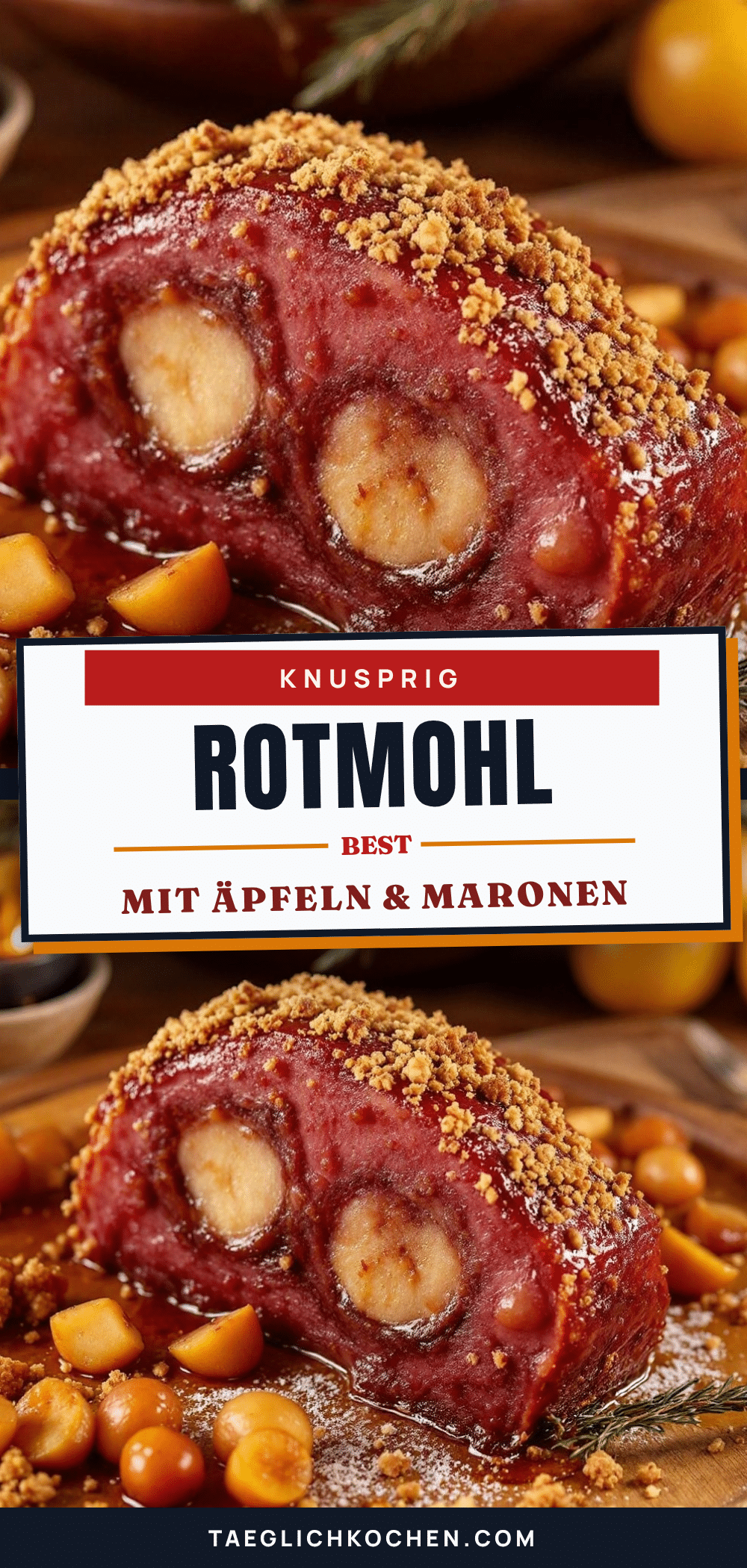
Knuspriger Rotkohl mit Äpfeln und Maronen

Ein traditionelles Herbstgericht, das süße Äpfel und nussige Maronen mit säuerlichem Rotkohl verbindet. Perfekt für gemütliche Abende und als Beilage zu Braten.
- Prep Time: 20 Minuten
- Cook Time: 40 Minuten
- Total Time: 60 Minuten
- Yield: 4 Portionen 1x
- Category: Beilage
- Cuisine: Deutsch
Ingredients
- 800 g Rotkohl
- 2 mittelgroße Äpfel (z. B. Gala oder Jonagold)
- 200 g geschälte Maronen
- 1 große gelbe Zwiebel
- 100 ml Apfelessig
- 2–3 Esslöffel Honig oder Zucker
- 30 g Butter
- 1 Lorbeerblatt
- Eine Prise Nelken
- Schwarzer Pfeffer
- Salz
- Wasser
Instructions
- Waschen Sie den Rotkohl, halbieren Sie ihn, entfernen Sie den Strunk und schneiden Sie ihn so dünn wie möglich in Streifen.
- Schälen und würfeln Sie die Äpfel in kleine Quadrate. Hacken Sie die Zwiebel fein.
- Erhitzen Sie die Butter in einem großen Topf bei mittlerer Hitze. Dünsten Sie die Zwiebeln glasig und weich, ohne sie braun werden zu lassen (ca. 5 Minuten).
- Fügen Sie den geschnittenen Rotkohl hinzu und rühren Sie gut um, sodass er mit der Zwiebel und Butter bedeckt ist. Lassen Sie ihn 2 Minuten köcheln.
- Löschen Sie mit dem Apfelessig ab und schaben Sie den Topfboden frei, um angebratene Teile zu lösen. Lassen Sie den Essig 1 Minute einkochen.
- Fügen Sie die gewürfelten Äpfel, Maronen, Lorbeerblatt, Nelken, Salz und Pfeffer hinzu. Gießen Sie so viel Wasser hinzu, dass der Kohl gerade so bedeckt ist.
- Bringen Sie die Mischung zum Kochen, reduzieren Sie die Hitze auf niedrig, decken Sie den Topf und lassen Sie ihn 20 Minuten köcheln. Rühren Sie gelegentlich um.
- Überprüfen Sie nach 20 Minuten die Konsistenz des Kohls. Fügen Sie Honig oder Zucker hinzu, rühren Sie um und schmecken Sie ab. Passen Sie bei Bedarf mit Salz oder Essig nach.
- Lassen Sie das Gericht weitere 10-15 Minuten ohne Deckel köcheln, damit die Aromen harmonieren und die Flüssigkeit reduziert wird. Der Kohl sollte zart, aber nicht matschig sein.
- Nehmen Sie den Topf vom Herd, entfernen Sie das Lorbeerblatt und lassen Sie das Gericht 5 Minuten ruhen, bevor Sie es servieren.
Notes
Der Rotkohl schmeckt am nächsten Tag oft noch besser, da sich die Aromen vertiefen. Nicht einfrieren, da die Textur des Kohls beim Auftauen matschig wird. Bei zu trockener Konsistenz etwas Wasser hinzufügen, bei zu viel Flüssigkeit länger offen köcheln lassen. Die Farbe bleibt violett, wenn genug Essig verwendet wird und kein Natron hinzugefügt wird.
Nutrition
- Serving Size: 1 Teller
- Calories: 250
- Sugar: 25
- Sodium: 150
- Fat: 8
- Saturated Fat: 4
- Carbohydrates: 45
- Fiber: 6
- Protein: 3
Keywords: Rotkohl, Äpfel, Maronen, Herbstrezept, Beilage, Vegetarisch, Traditionell, Kompott